Direct anterior approach total hip replacement
In the realm of orthopaedic surgery, particularly in the field of arthroplasty, advancements in technology and technique have revolutionized treatment options for patients suffering from joint-related ailments. One significant stride in this domain is the adoption of (MIS) minimally invasive surgical techniques, like DAA HIP REPLACEMENT TECHNIQUE by DR LALIT NAKRANI in which surgical procedures performed through small incisions, often guided by specialized instruments and advanced imaging technology,with aim to minimise trauma to surrounding tissues, reduce blood loss, and accelerate recovery times for patients, which have redefined the landscape of Orthopaedic Arthroplasty in Surat .
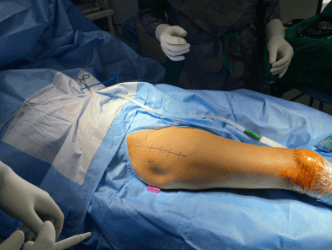
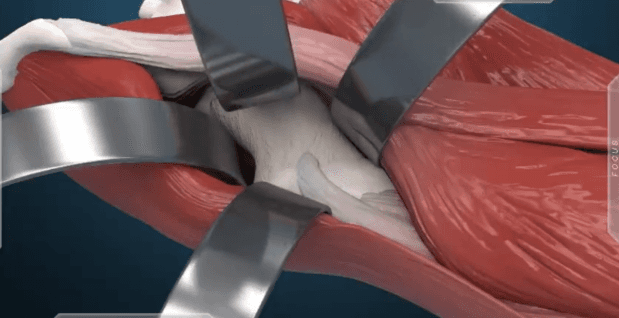
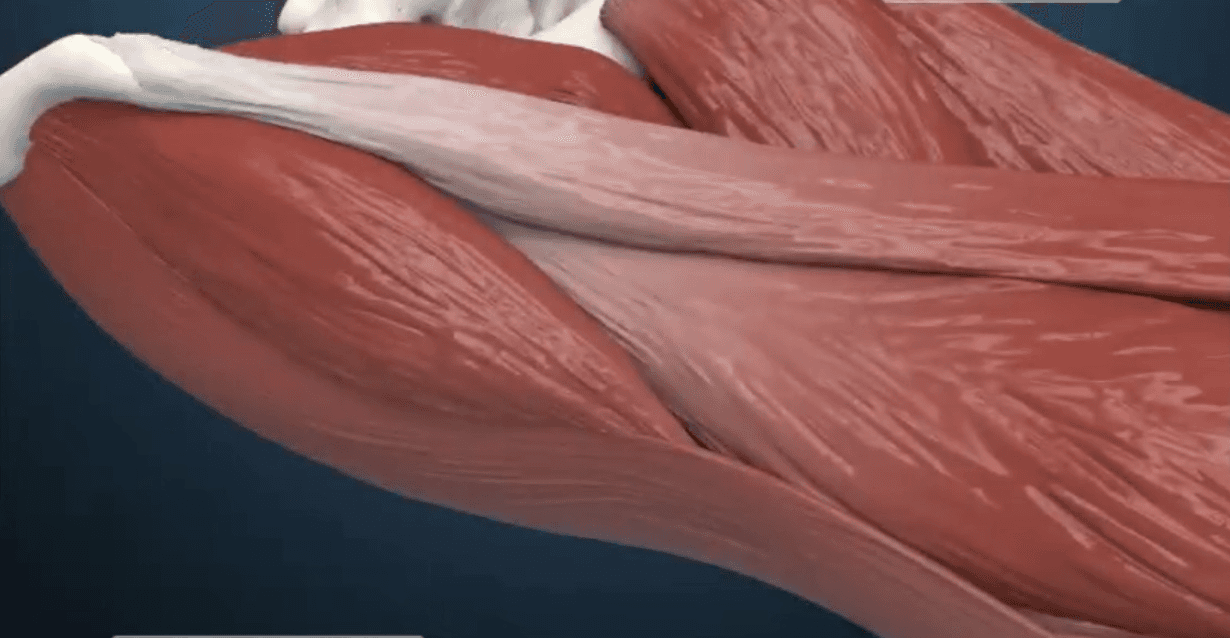
The key benefit of the DAA is that no muscles need to be divided or cut because access to the hip joint occurs between muscle planes so chances of hip dislocation in future is almost nill and patient can easily sit cross legged on the floor and can do all his daily living activity.
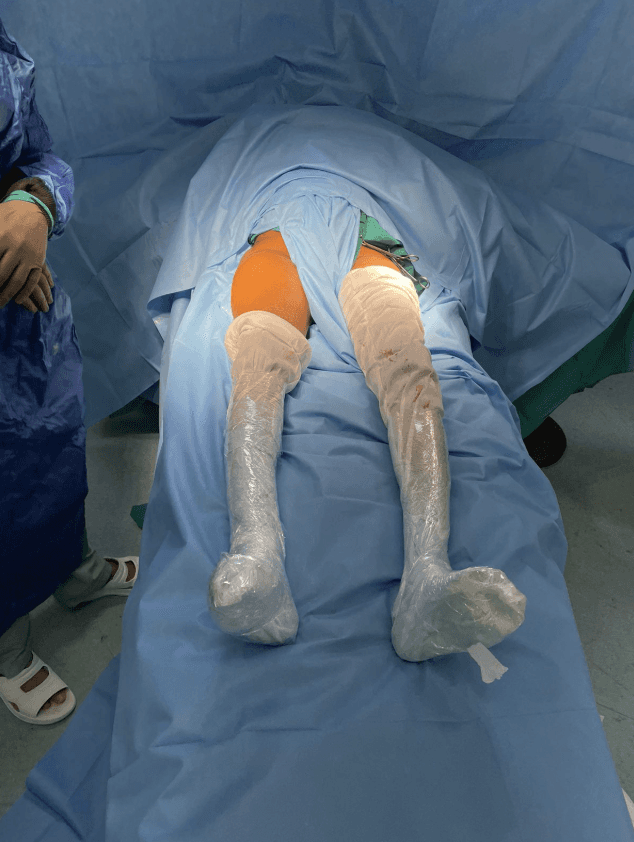
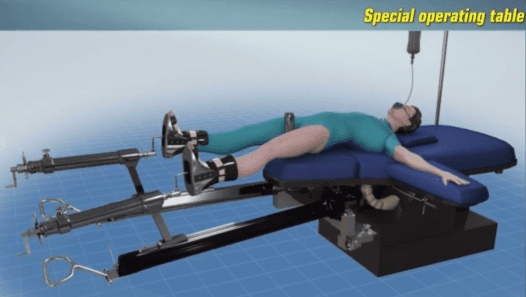
In DAA technique the patient lies in a supine (on the back) position during surgery allowing both legs to be directly compared and enabling accurate correction of leg length. And that also Ensure better alignment of the new hip. The supine position makes it technically convenient and safe to perform both hip replacements in the same sitting, when indicated.
Lets discuss in detail and upgrade your knowledge
What is hip replacement surgery
Hip Joint replacement involves removing the damaged parts of the hip joint and replacing them with artificial components, known as prostheses.
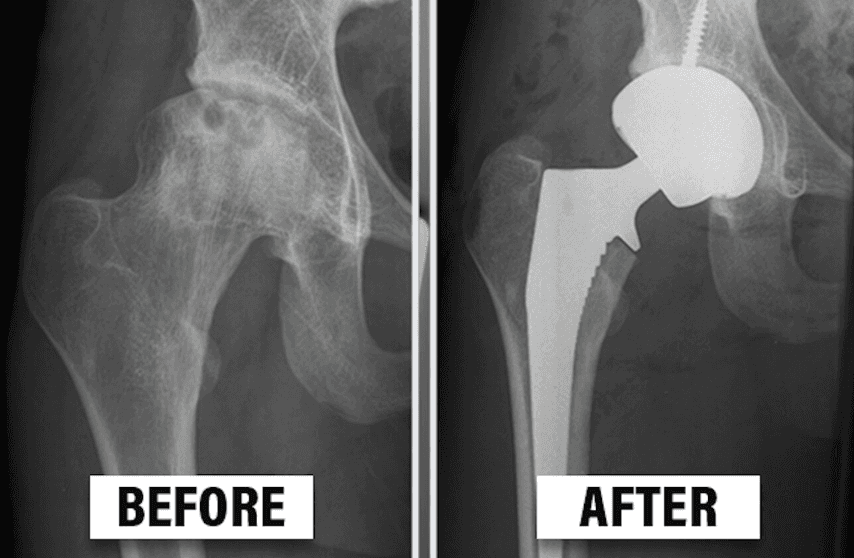
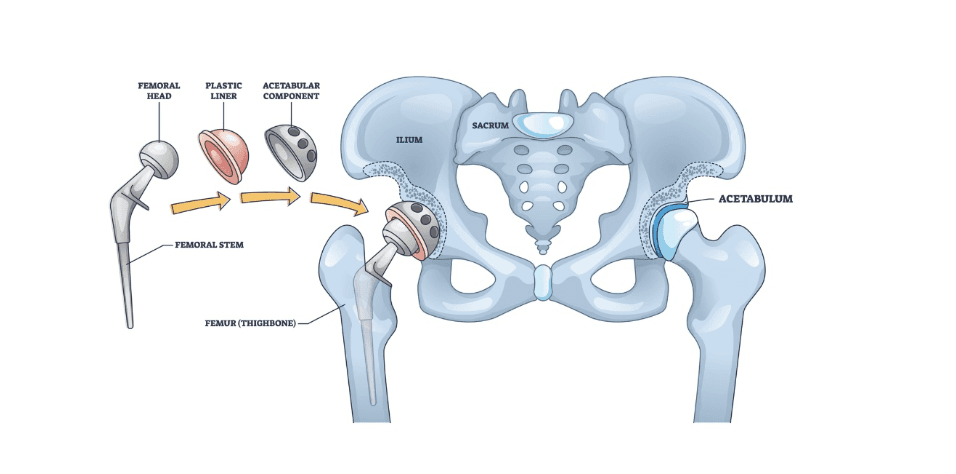
The hip joint can be reached in a number of methods, including the so-called posterior approach (via the buttock region), lateral access (from the side), anterolateral access (a little more toward the front), and direct anterior access(DAA). This procedure can significantly reduce pain, improve function, and enhance the overall quality of life.
when person needs hip replacement surgery ? Why Hip Joint Replacement?
The hip joint is an important part of our body’s mobility system, allowing us to walk, sit, and perform daily activities with ease. Hip pain can deeply impact the quality of life.

Are you someone who is unable to sleep well because of hip pain? Do you find it difficult to do simple everyday tasks like bending forward, walking, climbing stairs, riding a bike, or driving a car ? Is the pain impeding you from doing your favourite outdoor activities? A large number of people experience hip pain due to various underlying conditions, like
• Avascular necrosis of hip joint (Osteonecrosis of femoral head)
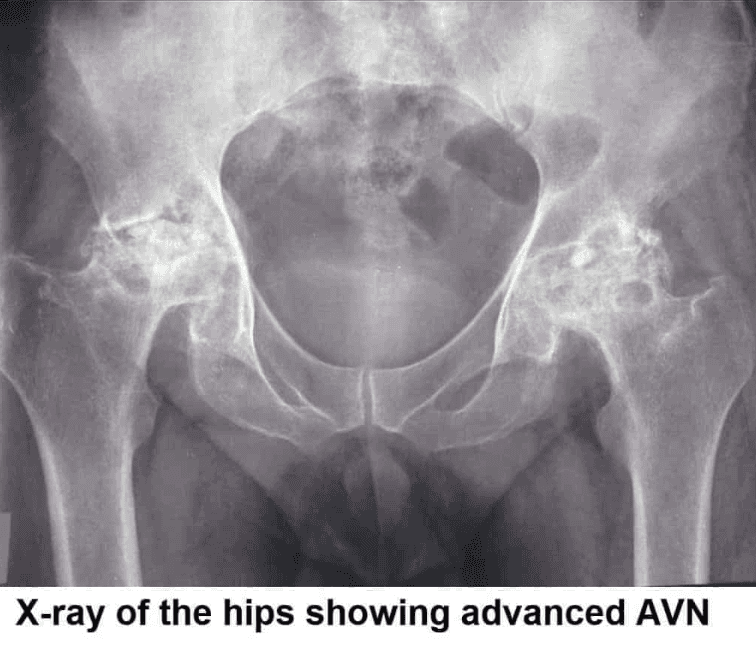
• Ankylosing Spondylitis
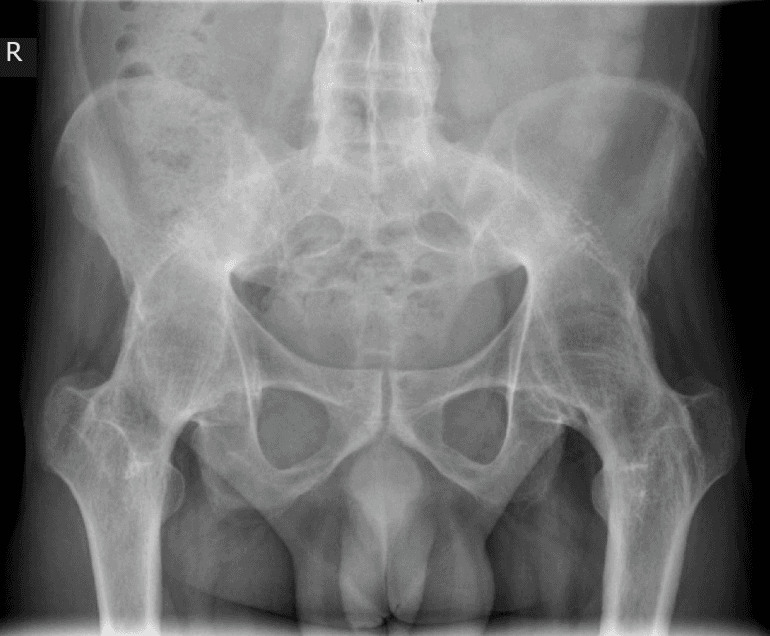
• Post traumatic hip arthritis (secondary to acetabulum fracture or failed neck femur fracture)
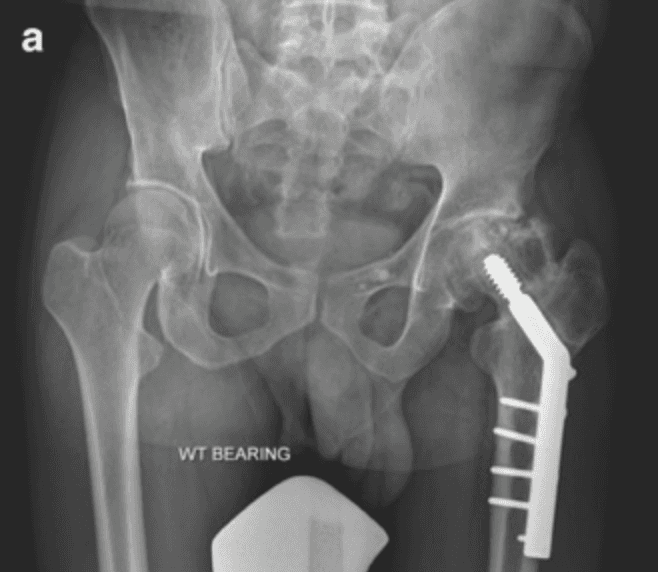
• Primary Hip Osteoarthritis can lead to chronic pain and reduced mobility. When conservative treatments such as medications, physical therapy, and lifestyle changes are no longer effective,it is high time you meet the right doctor for correct diagnosis & treatment. Modern hip replacement surgery helps millions of patients to get relief from hip pain and gain mobility..
Traditional Total Hip Replacement (THR) Surgery
A traditional hip replacement surgery involves a large incision, generally 10 to 12 inches that enables surgeons to access the diseased hip joint.
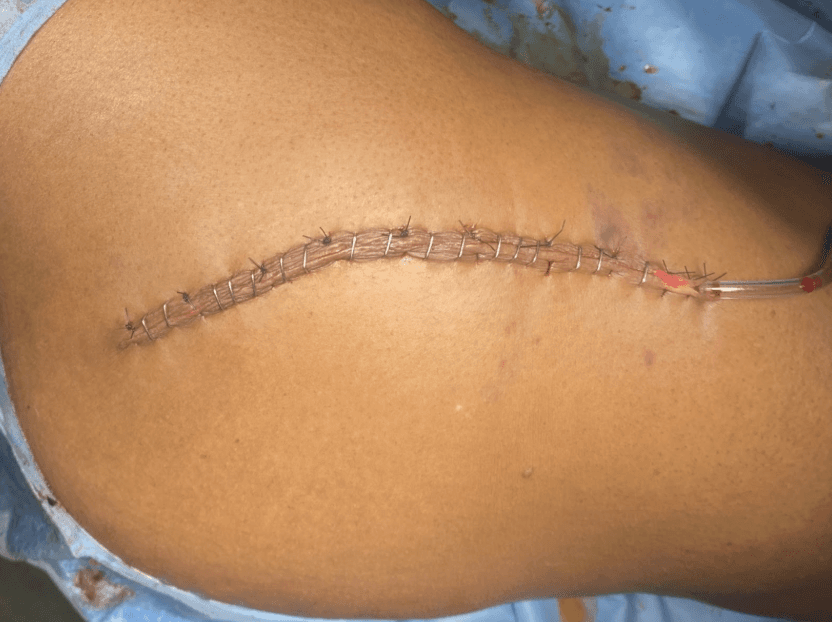
The main drawbacks of a traditional hip replacement surgery are longer incision, cutting of the important muscles to access the hip joint, more blood loss, many lifestyle restrictions & longer recovery time. This makes the post-operative period more painful and the surgical wound takes longer time to heal as well. Patients are generally not allowed to squat or sit cross legged on the floor after a conventional hip replacement surgery. Longer recovery period also means late return to work, which in turn adds to the financial burden of the patient & it can be counted as increased cost of the surgery, as the patient could have earned during that period if he had returned to work earlier.
What is Dr Lalit Nakrani’s Modern DAA hip replacement technique?
Direct anterior approach(DAA) total hip replacement is surgical procedures performed through small incisions, often guided by specialized instruments and advanced imaging technology,with aim to minimise trauma to surrounding tissues, reduce blood loss, and accelerate recovery times with very minimal pain even in the early post-operative period of the surgery for patients such that the new hip joint feels near normal after the surgery & most of the patients forget in due course of time that they ever had any hip surgery.
Major Advantages of Modern DAA hip replacement technique.
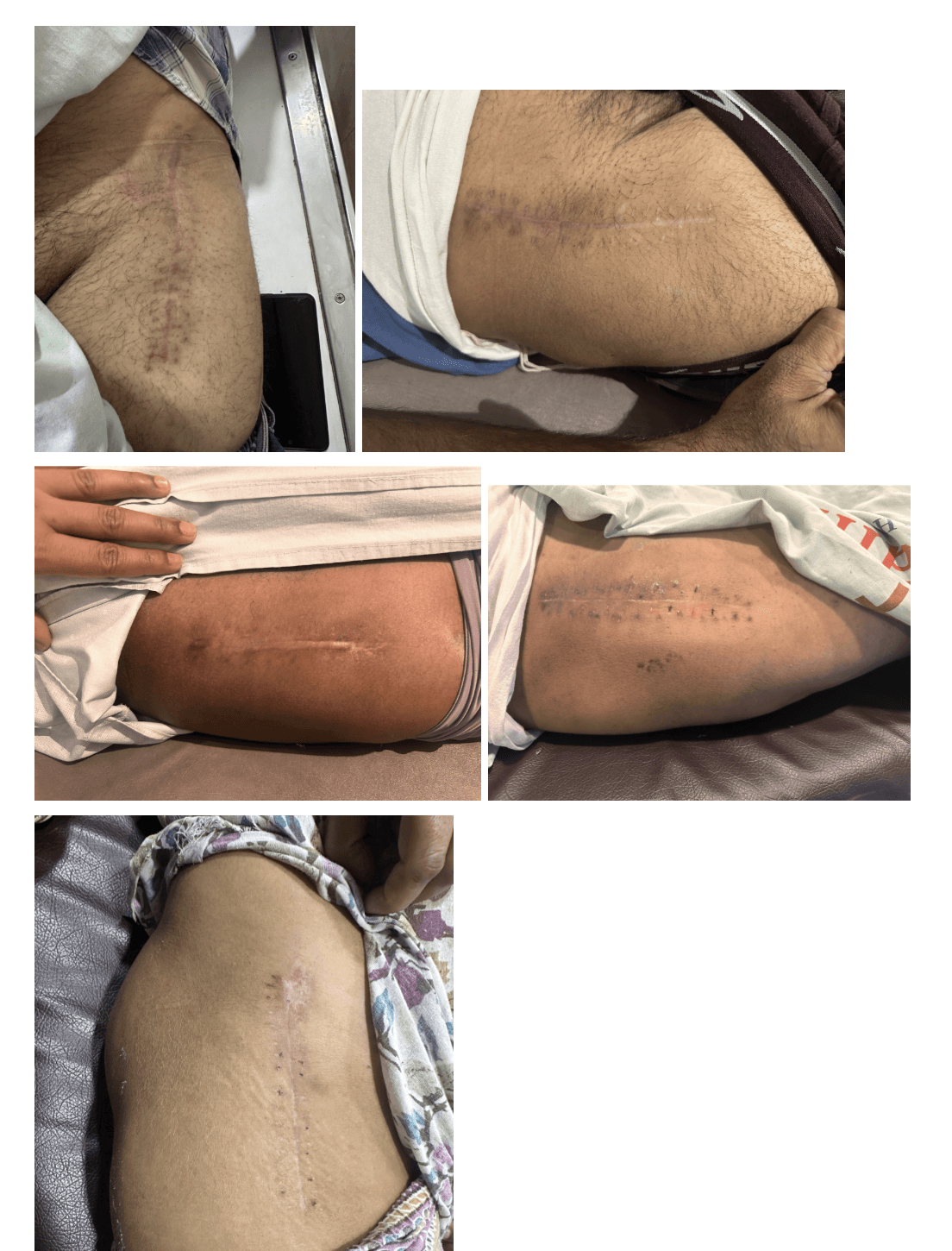
1 Small incision- Incision size is limited to 3 to 6 inches, which is smaller as compared to traditional hip surgery. So
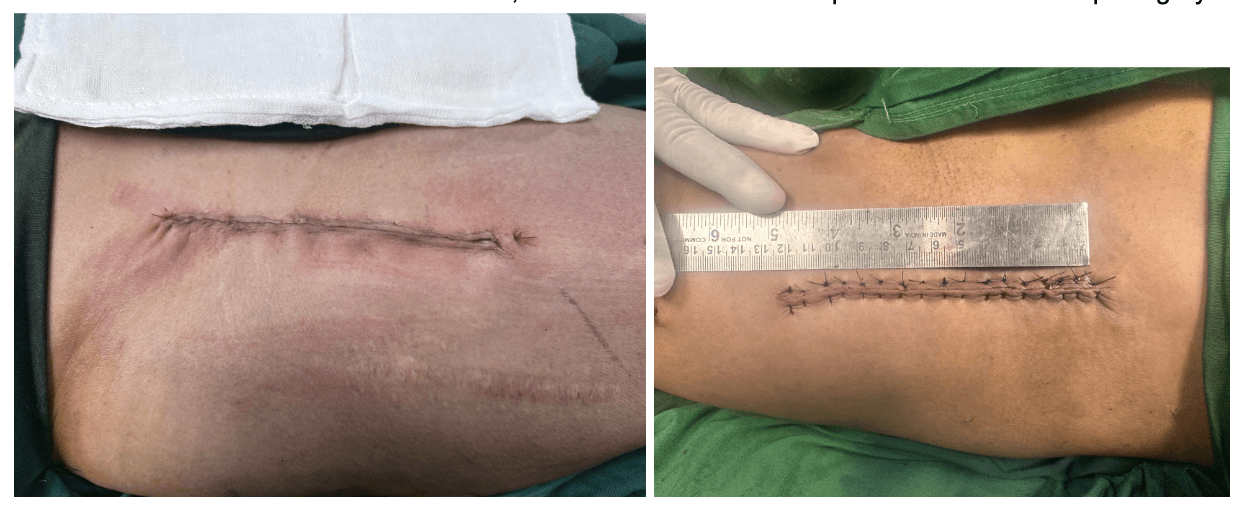
a) Reduced Recovery Time: Smaller incisions result in less trauma to surrounding tissues, leading to quicker healing and shorter hospital stays.
b) Lower Infection Rates: Smaller wounds are associated with lower infection rates compared to traditional open surgeries.
c) Improved Cosmesis: Smaller scars are less noticeable and may enhance patient satisfaction with their surgical outcomes.
2 Preservation of Muscle and Tissue: DAA MIS techniques aim to preserve more of the patient's natural anatomy, potentially reducing post-operative pain and improving long-term joint function.
3 Stitch Less Closure- In most of the patients, skin staples or stitches are not taken so there is no need of stitch removal once the surgical would has healed.
4 Less Blood Loss – The patient suffers very less blood loss as muscles and tendons around the hip region are minimally disturbed. In majority of the patients there is no need of blood transfusion before or after the surgery.
5 No Drain Pipe Needed – Generally drain pipes are required to be put in the surgical wound when more dissection is done during the surgery as in traditional THR, which leads to more blood loss during the surgery.These drains are not required in majority of the patients who undergo THR with modern techniques as there is minimal tissue damage happening during the surgery.
6 Spinal Anaesthesia is enough – Total hip replacement surgery is done with a team of trained assistants, who know & understand the manoeuvres needed during the surgery and the steps of the surgery. Most of the modern THRs are over within one hour of incision so only spinal anaesthesia is enough to complete the surgery & Epidural anaesthesia is not needed, which needs a puncture in the back with a bigger needle.
7 No Urinary Catheter needed – As patients can easily move around within few hours of surgery, so no urinary catheter is needed. They are allowed to go to the washroom as soon as they have regained power in their lower limbs (which means once the patient has recovered from the effect of spinal anaesthesia). This is really convenient for the patient and is a great confidence booster for the patient.
Last three advantages put together means, great comfort for the patients in the post-operative period as there are no pipes in the body at all.
a) Reduced Recovery Time: Smaller incisions result in less trauma to surrounding tissues, leading to quicker healing and shorter hospital stays.
b) Lower Infection Rates: Smaller wounds are associated with lower infection rates compared to traditional open surgeries.
c) Improved Cosmesis: Smaller scars are less noticeable and may enhance patient satisfaction with their surgical outcomes.
2 Preservation of Muscle and Tissue: DAA MIS techniques aim to preserve more of the patient's natural anatomy, potentially reducing post-operative pain and improving long-term joint function.
3 Stitch Less Closure- In most of the patients, skin staples or stitches are not taken so there is no need of stitch removal once the surgical would has healed.
4 Less Blood Loss – The patient suffers very less blood loss as muscles and tendons around the hip region are minimally disturbed. In majority of the patients there is no need of blood transfusion before or after the surgery.
5 No Drain Pipe Needed – Generally drain pipes are required to be put in the surgical wound when more dissection is done during the surgery as in traditional THR, which leads to more blood loss during the surgery.These drains are not required in majority of the patients who undergo THR with modern techniques as there is minimal tissue damage happening during the surgery.
6 Spinal Anaesthesia is enough – Total hip replacement surgery is done with a team of trained assistants, who know & understand the manoeuvres needed during the surgery and the steps of the surgery. Most of the modern THRs are over within one hour of incision so only spinal anaesthesia is enough to complete the surgery & Epidural anaesthesia is not needed, which needs a puncture in the back with a bigger needle.
7 No Urinary Catheter needed – As patients can easily move around within few hours of surgery, so no urinary catheter is needed. They are allowed to go to the washroom as soon as they have regained power in their lower limbs (which means once the patient has recovered from the effect of spinal anaesthesia). This is really convenient for the patient and is a great confidence booster for the patient.
Last three advantages put together means, great comfort for the patients in the post-operative period as there are no pipes in the body at all.
Scar that matters
Types of Prosthesis or Implant and how they are choose
Determination of the best prosthesis or implant is an integral part of total hip replacement surgery. Implants have significantly evolved over time, now the materials used to make these implants can take the stress of daily life of a youngster as well & still last very long. Prosthesis fixation involves cemented or non-cemented options. In today’s times, uncemented or non-cemented implants are most preferred, in which press-fit femoral and acetabular components are implanted. Press-fit means that the bone is shaped in such a way that implant can take a firm grip in the bone.
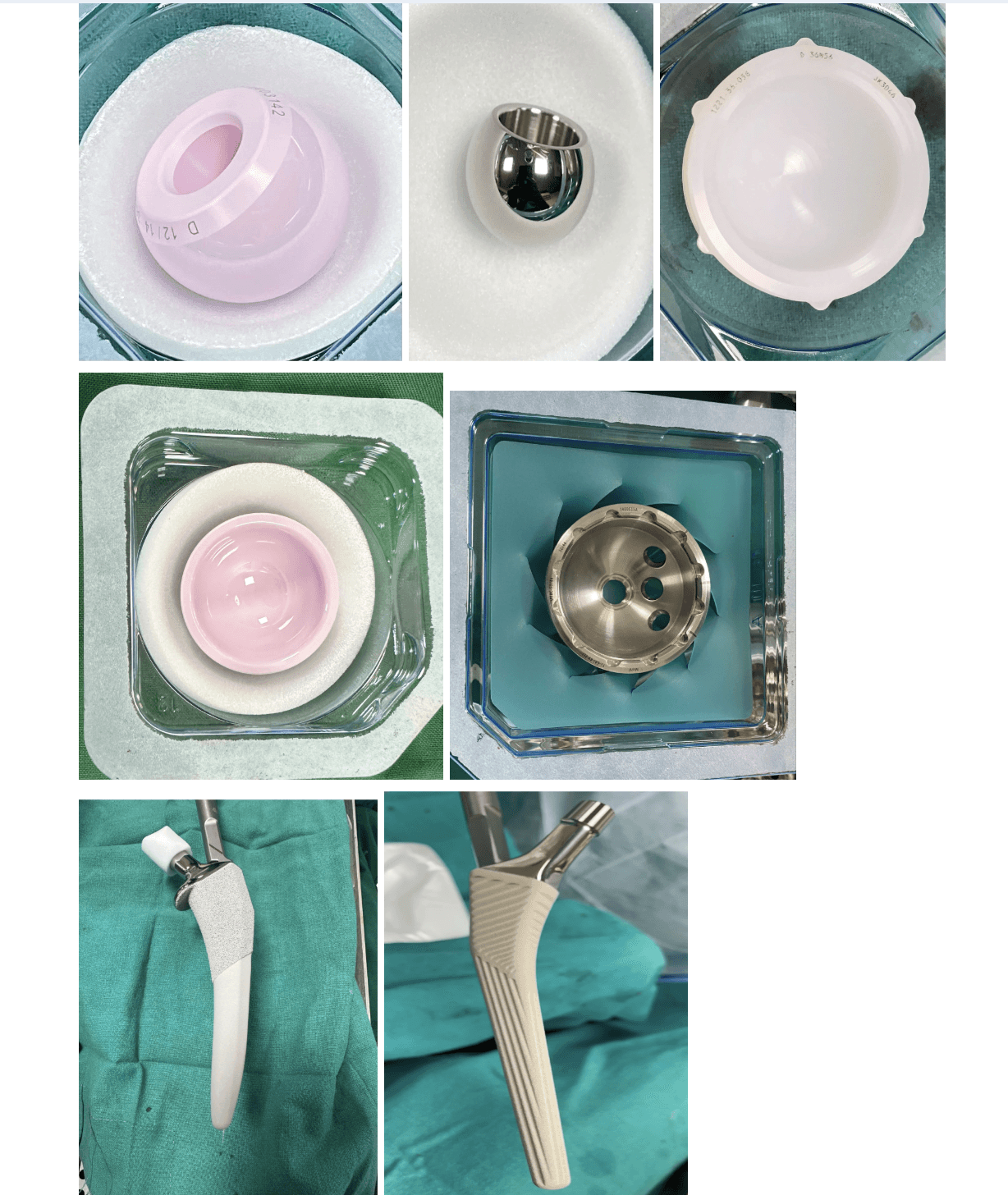
Different combinations of bearing surfaces (means ball & the cup liner) used in these implants or prosthetic joints.
It may be ceramic ball on ceramic liner, metal ball on metal liner (not preferred now), ceramic ball on highly cross linked polyethylene plastic liner (most preferred now), and metal ball on polyethylene liner (least preferred & is reserved for old patients above the age of 70-75 years).
Besides, you can choose to visit the best orthopaedic surgeon for better understanding of your disease & its treatment. If you meet an expert hip replacement surgeon then your consultation also includes detailed counselling, discussion about the best implant for you & expected time for recovery after surgery. You must know that using latest surgical techniques & best quality US-FDA approved implants, can give you unbelievable recovery with in 2-3 weeks of Hip Replacement surgery.
If you need a hip replacement surgery then you must know that Dr Lalit Nakrani is one of the best surgeon for Total Hip Replacement Surgery in Surat and south Gujarat & your search for a Hip Replacement Surgery Doctor in south Gujarat, will end after visiting The our hospital.
Comprehensive Care and Support
We understand that hip joint replacement surgery is a significant decision for our patients. That’s why we offer comprehensive care and support throughout the entire treatment journey. From pre-operative assessments and patient education to post-operative rehabilitation and follow up care, our team is dedicated to ensuring a smooth and successful recovery.
Our multidisciplinary approach includes collaboration with physical therapists, pain management specialists, and nutritionists to provide holistic care. We also offer customized rehabilitation programs to help patients regain strength, flexibility, and confidence in their new joint.
Questions
How painful is a hip replacement surgery ?
Overall, the “Experience of Surgery” for the patient is NOT as bad as many patients are made to believe by their so called “social acquaintances” or “well-wishing Relatives”! During surgery patient will be given Spinal/Half Anaesthesia. So, he/she will be totally numb below the waist and will not experience any pain After surgery, pain is 90% controlled with many advanced multi-modal techniques like Pre-Emptive analgesia, Peri-articular infiltration, Epidural Infusion pumps, Adductor Canal Infusion pumps, Intravenous Infusion Pumps, Intravenous & oral analgesics.
When can I start walking after surgery?
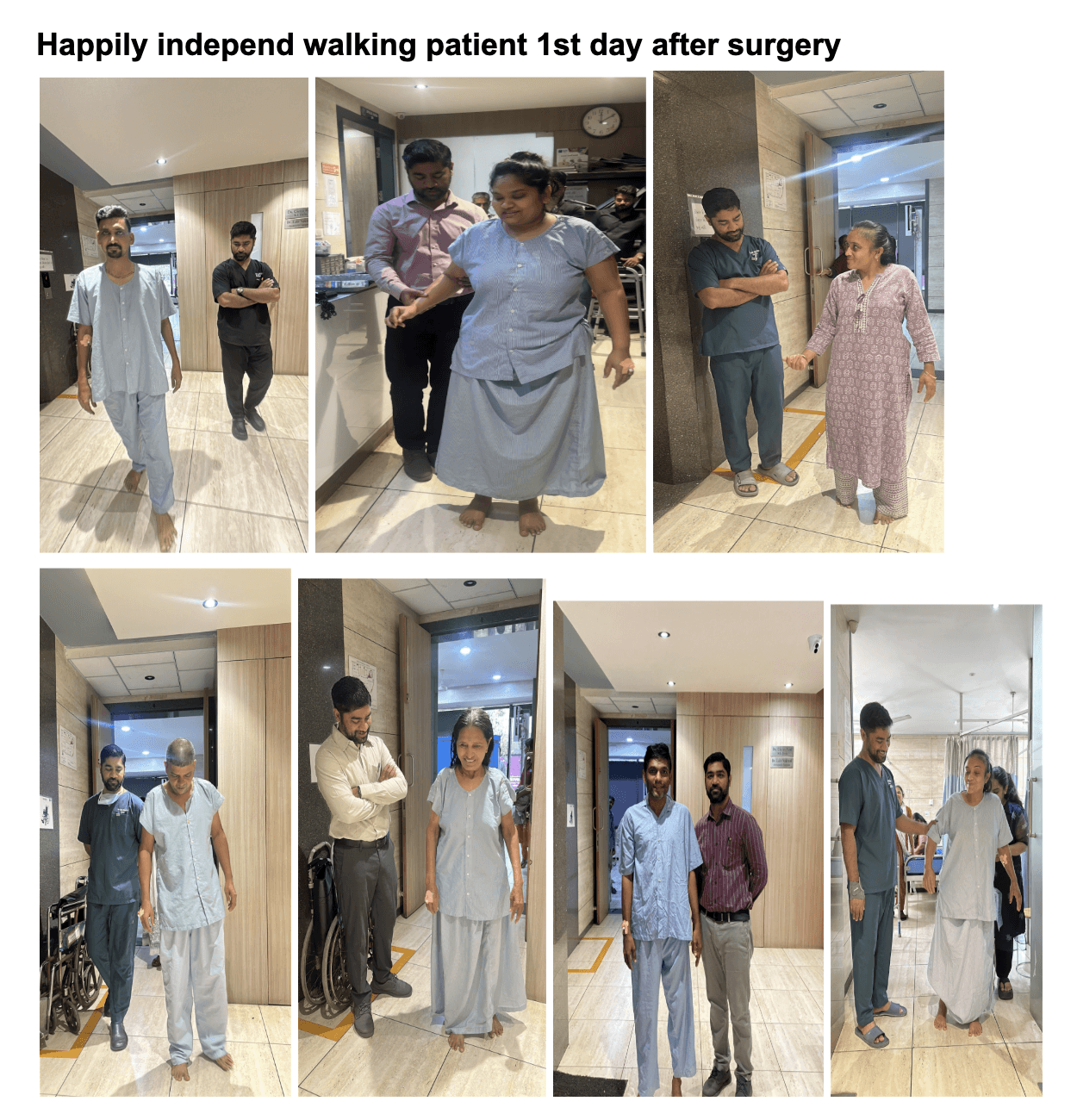
On the day of surgery or the morning after, we make patients walk. On the second post-operative day, patients begin ascending stairs, and the majority of our patients are walking unassisted upon release.
How long does it take to recover from a hip replacement?
Patient starts walking the very next day of surgery putting equal load on both the legs with the help of walker for balance. After 10-14 days, the patient can leave the walker and use a stick for balance for next 3-4 weeks. Beyond this they can walk without support.
Is simultaneous replacement of both hip possible?
Yes, it is perfectly safe and possible, specifically when hip replacement done using MIS DAA technique as its done in supine position so after finished one side opposite side can done easily with out changing position and does not need preparation again
When can I join my Office ? How much leave should I apply for from office ?
Normally we tell the patients to take a leave of absence for 4 weeks from Office, for the surgery and recovery.
What things should you never do after hip replacement?
There are some restrictions for first few days after surgery during which capsule and muscles around hip are healing. During this time it is not advisable to sleep on side or sit on a low chair. Even though the movements required for the sitting on the ground/Indian Toilet /Sitting cross legged ARE POSSIBLE after hip replacement and most of our patients are able to do the above activities ,We don’t recommend them because, putting the hip repeatedly in such positions may lead to early wear of implants.
How far should I be walking after hip replacement?
There is no limit for Walking after Hip replacement. Patient can walk, go up and down stairs as much as they desire to do, their physical ability is the limiting factor. They can travel by train, Flight, autorickshaw, car, Bus, 2-wheeler.
How can I speed up my hip replacement recovery?
Exercises taught at our clinic by expert physiotherapist and Walking are the keys to recovery after Hip replacement. More the patient does the above faster the recovery.
Do you need physiotherapy at home after surgery?
You DO NOT need special physiotherapy at home after surgery. Exercises taught at the clinic and Walking are the keys to recovery after Hip replacement. Patient normally does not need any further physiotherapist at home in most of the my cases.
What is the best exercise after total hip replacement?
Walking is the best exercises after Hip replacement, rest of the exercises will be taught to the patient at the clinic by expert Physiotherapist before discharge.
How long after hip replacement can you climb stairs?
Stair climbing is taught to the patient before discharge from the hospital mostly after 2-3 days of surgery.
Can I have normal sexual intercourse after Hip replacement?
Yes, patients Gents & Ladies can do normal sexual intercourse after Total Hip Replacement Surgery ( Allowed usually 1 months after the surgery.)
Can I have normal Child birth after Hip Replacement ?
Ladies can undergo normal delivery after Total Hip Replacement Surgery. Some of our young female.
Can I have MRI scan after Hip replacement?
Hip Replacement Implants used in our clinic are MRI compatible and so you can have MRI scan of the operated hip or any other body part after Total Hip Replacement.
When can I drive a Car after Hip Replacement?
You can start driving a car after 4 weeks of surgery done with MIS DAA technique.
Can I drive a 2 wheeler after Hip Replacement ?
Yes you may be allowed to drive a 2 wheeler after 4 weeks of surgery done with MIS DAA technique.
Can I play recreational Sports after Hip replacement ?
You can play non-impact sports like table tennis, badminton, tennis (doubles preferably), cricket, rowing, swimming, cycling etc. Impact Sports like football, rugby or Martial Arts are best avoided.
Can I travel by Public transport after Hip Replacement Surgery ?
Yes you allowed to travel by Taxi, Train, Autorickshaw, Flight, Bus & Boat after Hip Replacement.
Will I be stopped at the Airport for Metal Implant in the Hip ?
Yes the Hip replacement Implant will be detected at the Airport Security . Don’t worry, as after your surgery, you will be given a Metal Detector Certificate Card(Like an ATM Card) which you can show to Airport Authorities and will be allowed to travel without issues. We also recommend you to carry along with you a small copy of the Hip X ray taken at the clinic which has your name, Hospital details, Hospital No, and your Doctor’s name on it.
Can I do Gym after Hip replacement?
Yes you can join Gym after Hip Replacement surgery, Patients are advised to avoid Impact Aerobic Exercises like Zumba and deep Squats.

Dr Lalit Nakrani is one of the Best Hip Replacement Surgeon in south Gujarat , India. The param superspeciality, Lal darwaja is one of the most chosen places for Knee replacement and Hip Replacement Treatment Surgery in Surat . They use most advanced surgical methods with modern implants to provide best surgical outcome to their patients. For correct guidance on joint replacement surgery visit The param superspeciality hospital & meet one of the Best Joint Replacement Surgeon in Surat.